Showing posts with label Longevity. Show all posts

Tuesday, December 24, 2019

Women Who Bear Children At Older Age live Longer

Currently, many women are postponing childbirth until they are older for a variety of reasons. A new study has reported an advantage to bearing children at an older age: increased longevity. The findings were published online on June 23 in the journal Menopause.

Pregnant Woman at 40 years old

Check this Article: Penile Implant Surgery in India

The investigators conducted a study to assess the association between a woman’s age at birth of her last child and the likelihood of survival to advanced age. They accessed data from the Long Life Family Study. The study group comprised 311 women who survived past the oldest 5th percentile of survival (cases) and 151 women who died at ages younger than the top 5th percentile of survival (controls). A procedure known as a Bayesian mixed-effect logistic regression model was used to estimate the relationship between maternal age at birth of her last child and extraordinary longevity among these 462 women.

The investigators found a significant association for older maternal age: women who delivered their last child beyond age 33 years had twice the odds for survival to the top 5th percentile of survival compared to women who had their last child by age 29 years. They concluded that their study supports findings from other studies that demonstrate a positive association between older maternal age and greater odds for surviving to an unusually old age.

Take home message:

Although this study reports increased longevity among women who bear children at an older age, there is a down-side. The interval in which the greatest likelihood of delivering a healthy child with the lowest risk of complications for both mother and infant is age 20 to 30. Statistics are also better for women who deliver their last child before the age 30. Women who deliver a child before 20 years of age have an increased risk of complications. The risk of pregnancy complications such as preeclampsia (toxemia) and pregnancy-induced hypertension also increases with age. In addition, the risk of delivering a child with birth defects increases with age. For example, by age 35, a woman's risk of conceiving a child with Down syndrome is about 1 in 350. By age 40, the risk is about 1 in 100, and by age 45, the risk is about 1 in 30.
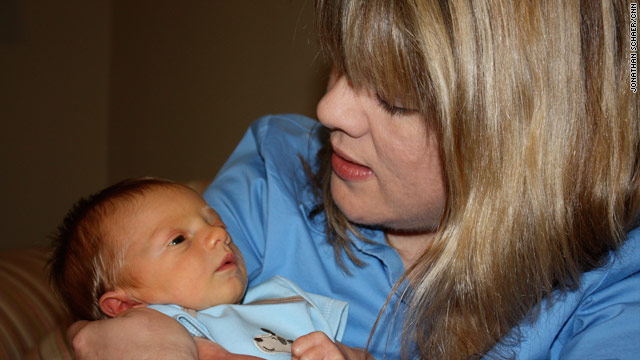
40 Year Mom Carry a Baby

Healthy lifestyle choices also affect longevity. Lack of exercise, overweight/obesity, smoking, and excessive alcohol intake impact longevity. On a positive note, this study notes that older women who deliver a normal, healthy child without complications have an increased likelihood of surviving to a ripe old age. Obstetrical care has advanced to the point where older women who are closely monitored during pregnancy have an excellent chance of a good outcome. In addition, genetic testing can be done to check for birth defects.

Source: http://m.edtreatmentindia.com/

Wednesday, October 16, 2019

Lack of Exercise Causes More Deaths Than Obesity

Far too many people across the world are obese from eating junk food and not getting enough exercise. Lack of exercise itself is linked to twice as many deaths as obesity reports the University of Cambridge on Jan. 14, 2015. According to new research just one brisk 20 minute walk daily could be enough to lower an individual’s risk of early death.

'Kills More Than Obesity'


This study included over 334,000 European men and women. It was found that twice as many deaths may be due to a lack of physical activity in comparison with the number of deaths which are attributable to obesity. The researchers say just a modest increase in physical activity may have health benefits which are significant.

There has been a consistent association found between physical inactivity and an increased risk of early death. Physical inactivity is also associated with a greater risk of diseases such as heart disease and cancer. Although a lack of physical activity may also contribute to an increased body mass index (BMI) and obesity, the association with early death has been observed to be independent of a person’s BMI.

This study has been published in The American Journal of Clinical Nutrition. The researchers found that the greatest decreases in mortality risk were observed among the lowest activity groups across levels of general and abdominal adiposity. This suggests that efforts to encourage even small increases in activity in inactive people may be beneficial to public health. Getting physical activity should be made a part of your daily life if you want to increase your chances of living a long and healthy life.
Lack of exercise is twice as deadly as obesity

Source: http://www.edtreatmentindia.com/

Thursday, October 10, 2019

A Sense of Purpose in Life May Help You Life Longer

It seems as it's something from folklore to take the position that having a purpose in life could help your heart health. However, there is now scientific evidence to point to the possibility that a having a sense of purpose in life may protect your heart from disease reports Mount Sinai Medical Center via Newswise on March 6, 2015. A new study by researchers at Mount Sinai St. Luke's and Mount Sinai Roosevelt has showed that having a high sense of purpose in life may decrease your risk of heart disease and death.

A Sense of Purpose in Life Long


In this analysis a sense of purpose in life has been defined as a sense of meaning and direction along with feelings that life is intrinsically worth living. In past research a sense of purpose in life has been associated with psychological health and well-being.

In this new study it was observed that a high sense of purpose in life is associated with a 23 percent decrease in death from all causes. A 19 percent lowered risk of heart attack and stroke was noted with a sense of purpose on life. There was a similar decrease in the need for coronary artery bypass surgery (CABG) or a cardiac stenting procedure.

Lead study author Randy Cohen, MD says that your heart health could be protected by developing and refining your sense of purpose in life. This could potentially save your life. It was seen in this study that there is a powerful association between having a sense of purpose in life and protection from death or having a cardiovascular event.

HealthDay reports new research shows that living your life with a strong sense of purpose in life may really lower your risk for early death, heart attack or stroke. Dr. Cohen points out that psychosocial conditions such as anxiety, depression, chronic stress and social isolation have powerful associations with heart disease and mortality.

Heart Disease Prevention With Healthy Living Habits

There has recently been a focus on the impact which positive emotions may have on overall health and well-being. So if you really care for someone you should help them nurture a strong sense of purpose in life to give them a better chance of good health and a long life.

Health Blog URL: http://blog.edtreatmentindia.com/